Monzo Business vs Starling vs Tide 2026: Which Is Best for UK Small Businesses?
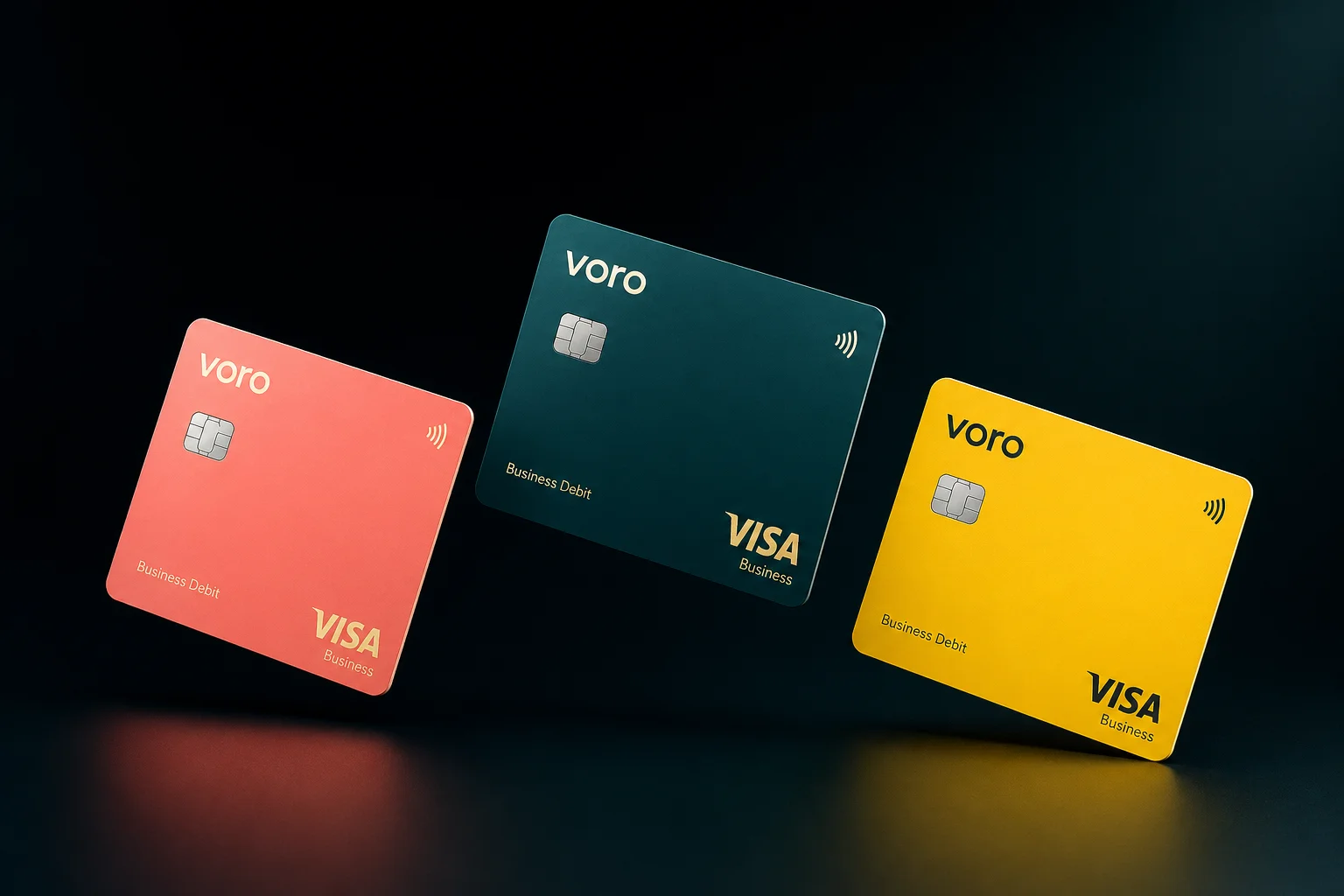

Three names come up repeatedly when UK small businesses go looking for a business bank account: Monzo Business, Starling Business, and Tide. All three are app-based, all three have a free option, and all three are aimed squarely at sole traders, freelancers, and limited companies that would rather avoid a traditional high-street bank. But they are not the same product, and the right choice depends on what your business actually needs.
This comparison covers pricing in GBP, account features, FSCS protection status, customer support, and the honest downsides of each. One thing to understand before anything else: Tide is not a bank. Monzo and Starling both hold full UK banking licences, which means deposits are protected by the Financial Services Compensation Scheme up to £85,000. Tide is an e-money institution. Your funds are safeguarded under FCA rules, but they are not FSCS protected. That distinction matters and it shapes the decision for many businesses.
Key Takeaways
- Starling Business is the strongest all-round option for most UK small businesses: free, FSCS protected, and includes an overdraft for eligible accounts
- Monzo Business is a close second with a better app experience, but accounting integrations require the £9/month Pro plan
- Tide is an e-money institution, not a bank. Funds are safeguarded but not FSCS protected. The free plan charges £0.20 per bank transfer
- None of the three accounts offer a business credit card. Tide and Monzo do not offer overdrafts at all
- Starling and Monzo are both regulated UK banks. Tide is FCA-authorised as an e-money institution
- All three offer free account opening with no minimum balance required
Quick Comparison: Monzo vs Starling vs Tide
Here is how the three accounts stack up on the features that matter most to small businesses.
| Feature | Monzo Business | Starling Business | Tide |
|---|---|---|---|
| Starting price | £0/month | £0/month | £0/month |
| Paid tiers | Pro at £9/month | None (Business Toolkit add-on ~£7/mo) | Plus £9.99, Pro £18.99, Cashback £49.99 |
| FSCS protected | Yes, up to £85,000 | Yes, up to £85,000 | No (safeguarded, not FSCS) |
| Overdraft | No | Yes (eligible businesses) | No |
| Domestic transfers (free plan) | Free | Free | £0.20 per transfer |
| ATM withdrawals (free plan) | Free (limits apply abroad) | Free | £1 per withdrawal |
| Accounting integrations | Pro plan only | Free on all accounts | Paid plans only |
| Customer support | In-app chat only | 24/7 UK phone and chat | In-app chat only |
| Team member cards | Pro plan (up to 5 users) | Available on free account | Paid plans only |
Monzo Business
Monzo launched its business account in 2020, extending the same product approach that made its personal account popular. It holds a full UK banking licence granted in 2017, and deposits are FSCS protected up to £85,000. That places it on solid regulatory ground alongside Starling.
The free plan covers the basics well. You get a UK sort code and account number, a Mastercard debit card, and access to the Monzo app. Spending pots let you set aside money for tax, VAT, or specific expenses. The tax pot feature is particularly practical: you can set a percentage of income to move automatically into a separate pot every time you receive a payment. Instant payment notifications tell you exactly when money moves in or out.
The app is widely regarded as the best mobile banking experience available in the UK. The interface is clean, information is easy to find, and the spending breakdowns are genuinely useful for businesses that want a quick view of where money is going without opening spreadsheets.
The Pro plan costs £9 per month and adds the features that growing businesses typically need. These include accounting integrations with Xero, FreeAgent, and QuickBooks, virtual cards, multi-user access for up to 5 team members, and priority customer support. If your business uses accounting software, and most limited companies should, the Pro plan is the minimum viable option. The free tier does not connect to any accounting tools.
Where Monzo falls short is straightforward. There is no overdraft on business accounts. Cash deposits are possible via PayPoint but carry a 3% fee. Customer support is chat only, with no phone option. For some businesses this is fine. For those who occasionally need to resolve a payment issue quickly, the absence of a phone line is a real limitation.
Monzo Business Pricing
| Plan | Monthly cost | What is included |
|---|---|---|
| Free | £0/month | UK account and sort code, Mastercard debit card, spending pots, tax pot, payment notifications, basic spending analytics |
| Pro | £9/month | Everything in Free plus Xero/FreeAgent/QuickBooks integration, virtual cards, multi-user access (up to 5 team members), priority support, expense categorisation exports |
Monzo Pros
- Full UK banking licence, FSCS protected up to £85,000
- Outstanding mobile app, genuinely the best of the three
- Tax pots and spending pots included on the free plan
- Automatic tax pot percentage setting saves time at self-assessment
- Xero, FreeAgent, QuickBooks integration on Pro (£9/month)
- Virtual cards on Pro plan, useful for subscriptions and online spend
- Free domestic transfers on all plans
- Instant payment notifications
Monzo Cons
- No overdraft facility on any business account
- Accounting integrations locked behind the £9/month Pro plan
- No phone support, in-app chat only
- Cash deposits via PayPoint carry a 3% fee
- No interest paid on account balances
- Team member cards require the Pro plan
- No business loan or credit products
Starling Business
Starling Bank launched its business account in 2018 and has consistently ranked among the most recommended accounts for UK small businesses. It holds a full UK banking licence, is regulated by the FCA and PRA, and FSCS protection applies to deposits up to £85,000.
The business account is free. Not free with conditions, not free for the first three months. There is no monthly fee, no transaction fees for domestic payments, and no minimum balance. That alone puts it ahead of most competitors. More importantly, accounting integrations with Xero, FreeAgent, and QuickBooks are available on the free account. You do not need a paid tier to connect your bookkeeping software. This is the most meaningful practical difference between Starling and Monzo for businesses already using accounting tools.
Customer support is a genuine differentiator. Starling offers 24/7 UK-based support via both in-app chat and telephone. This is unusual among digital-only banks. If your business occasionally deals with time-sensitive payment issues, fraud concerns, or account queries that need real-time resolution, a phone line matters. Neither Monzo nor Tide offers one.
For eligible businesses, Starling offers overdraft facilities. Approval depends on your business circumstances and Starling's own credit assessment. The overdraft is not available to all accounts and the limit will vary. But the option exists, and it is the only overdraft among the three banks in this comparison. No other account here gives you that safety net.
Starling has deliberately not introduced paid tiers for its core business account. This reflects a product philosophy rather than a feature gap. The business current account is intended to be genuinely full-featured without an upgrade path. The Business Toolkit is an optional add-on at approximately £7 per month that adds invoicing, tax estimates, and cash flow tools. It is worth considering for sole traders who want everything in one place, but it is not required for most businesses.
The main limitation is that Starling does not offer a business credit card. Cash deposits are possible via the Post Office but carry a fee. And because there are no paid tiers, businesses that outgrow the free account in terms of features will need to look at third-party integrations rather than upgrading within Starling.
Starling Business Pricing
| Plan | Monthly cost | What is included |
|---|---|---|
| Business Account | £0/month | UK account and sort code, Mastercard debit card, free domestic transfers, Xero/FreeAgent/QuickBooks integration, multi-user access, 24/7 phone and chat support, overdraft (eligible accounts), Euro account option |
| Business Toolkit (add-on) | ~£7/month | Invoicing tool, tax estimates, cash flow view, receipt capture, all within the Starling app |
Starling Pros
- Free, with no fees on domestic transfers or payments
- Full UK banking licence, FSCS protected up to £85,000
- 24/7 UK-based customer support by phone and in-app chat
- Overdraft available for eligible businesses
- Accounting integrations included at no extra cost
- Multi-user access included on the free account
- Euro account available alongside GBP account
- Business Toolkit add-on covers invoicing and tax estimates
Starling Cons
- No paid upgrade tiers, so limited path to additional built-in features
- Business Toolkit invoicing add-on costs approximately £7/month extra
- Cash deposits via Post Office carry a fee
- No business credit card option
- Overdraft approval is not guaranteed and varies by account
- App experience is polished but slightly behind Monzo on design
Tide
Tide launched in 2017 and has grown to over 650,000 business members in the UK. It is one of the most recognised names in the digital business banking space. But the critical point to understand upfront: Tide is an e-money institution authorised and regulated by the FCA, not a bank. Customer funds are safeguarded in ring-fenced accounts at partner banks under FCA e-money regulations, but they are not covered by the Financial Services Compensation Scheme. If something went wrong with Tide as a business, your money would be returned to you under safeguarding rules. However, the FSCS government-backed guarantee that applies to Monzo and Starling deposits does not apply here.
For many sole traders and freelancers, this distinction will not affect their day-to-day decision. For limited companies or businesses holding significant cash balances, it is a factor worth weighing seriously.
On features, Tide's free plan comes with a Mastercard debit card, a UK sort code and account number, and a basic invoicing tool built into the app. The invoicing tool is a genuine advantage over the free tiers from Monzo and Starling, both of which require an add-on or paid plan to create invoices within the app. If you send invoices regularly and want to keep everything in one place without paying extra, Tide's free tier is worth noting.
The fee structure on the free plan is the main catch. Bank transfers cost £0.20 each, both incoming and outgoing. ATM withdrawals cost £1 each. If your business makes 50 transfers per month, that is £10 in transfer fees alone on the free plan. The paid tiers include unlimited transfers, which changes the maths considerably.
The Plus plan at £9.99 per month includes unlimited transfers, cashflow insights, and priority customer support. The Pro plan at £18.99 per month adds expense cards for team members, accounting integrations with Xero, QuickBooks, and Sage, and a dedicated account manager. The Cashback plan at £49.99 per month adds 0.5% cashback on card spend. For businesses that spend heavily on their debit card, the Cashback plan can offset its own cost, though the maths will depend entirely on your monthly card spend.
Account opening at Tide is typically same-day, which is faster than either Monzo or Starling in practice. For businesses that need an account open quickly, this is a practical advantage.
Customer support is the most consistent criticism from existing Tide users. There is no phone line. In-app chat is the only option, and response times can be slow outside business hours. Some users report significant delays when dealing with account disputes or fraud incidents. This is a known limitation and worth considering if your business processes high-value payments or operates in sectors with higher fraud risk.
Tide Pricing
| Plan | Monthly cost | What is included |
|---|---|---|
| Free | £0/month | UK account and sort code, Mastercard debit card, basic invoicing, £0.20 per bank transfer, £1 per ATM withdrawal |
| Plus | £9.99/month | Everything in Free plus unlimited transfers, cashflow insights, priority support |
| Pro | £18.99/month | Everything in Plus plus expense cards for team members, Xero/QuickBooks/Sage integration, dedicated account manager |
| Cashback | £49.99/month | Everything in Pro plus 0.5% cashback on all card spend |
Tide Pros
- Fast account opening, typically same-day
- Invoicing tools built into the app on the free plan
- Structured paid tiers with clear upgrade path
- Expense cards for team members on Pro plan (£18.99/mo)
- 0.5% cashback on card spend on Cashback plan (£49.99/mo)
- Over 650,000 UK business members
- Accounting integrations on Pro plan (Xero, QuickBooks, Sage)
Tide Cons
- NOT FSCS protected: e-money institution, funds safeguarded but not government-backed
- £0.20 per bank transfer on free plan (both in and out)
- £1 per ATM withdrawal on free plan
- No phone support on any plan, in-app chat only
- Support response times can be slow
- No overdraft on any plan
- Accounting integrations require the £18.99/month Pro plan
Who Is Each One Best For?
Monzo Business: best for app-first businesses using accounting software
If the quality of the mobile app matters to you and you already use Xero, FreeAgent, or QuickBooks, Monzo Business on the Pro plan at £9 per month is a strong choice. The spending pots and tax pot feature are the most practical of the three for freelancers and contractors who want to keep their finances organised without a separate savings account. The automatic tax pot percentage is a small feature that saves a lot of mental load at self-assessment time. If you do not need accounting integrations, the free plan is a clean, capable account with no hidden fees.
Starling Business: best for most UK small businesses
For the majority of UK small businesses, Starling Business is the default recommendation. The account is free and fully featured without requiring any upgrades. Accounting integrations are included at no cost. The 24/7 telephone support is a meaningful differentiator if your business needs reliable access to help. The overdraft option, even if you never use it, gives you a safety net that the other two accounts simply do not provide. If you are setting up a limited company or running a growing sole trader business and want the most reliable, well-rounded foundation, Starling is the account to open.
Tide: best for sole traders who need an account open quickly
Tide works well for sole traders who need a business account opened today and are comfortable with the trade-offs. The same-day account opening and the built-in invoicing tool make it practical for new businesses that need to start issuing invoices immediately. Just be clear on two things before choosing Tide: your money is not FSCS protected, and the free plan charges per transfer. If you send more than a handful of payments per month, you are better off on the Plus plan at £9.99 rather than paying £0.20 per transaction.
Not the right fit: businesses holding large cash balances
If your business regularly holds more than £50,000 in its current account, the FSCS protection question matters more. Monzo and Starling both offer £85,000 FSCS cover. Tide does not. For businesses in this bracket, that is a straightforward reason to rule Tide out.
Not the right fit: businesses that need credit or lending
None of these three accounts offer a business credit card. Monzo and Tide do not offer overdrafts. Starling offers an overdraft for eligible accounts, but if your business has substantial borrowing needs, you will need to look at traditional banks or specialist business lenders. These three accounts are built around transactional banking, not credit products.
Final Verdict
Frequently Asked Questions
Which business bank account is best for UK small businesses?
Starling offers the best all-round free business account with MTD integration. Monzo Pro (£5/month) is great for freelancers who want budgeting features. Tide is best for limited companies needing multi-user access.
Is Monzo good for business banking?
Yes, particularly Monzo Pro at £5/month for freelancers and sole traders. The app is excellent with real-time notifications and tax pots. Less suitable for limited companies needing multiple user roles.
Which bank has the best MTD integration?
All three integrate with HMRC MTD for VAT. Starling has the most seamless FreeAgent integration (included free). Tide integrates with Xero and QuickBooks. Monzo connects via the HMRC API directly.